Vinegar – Fact or Fiction?
Vinegar as a Beauty Aid (3,000 Years Ago)
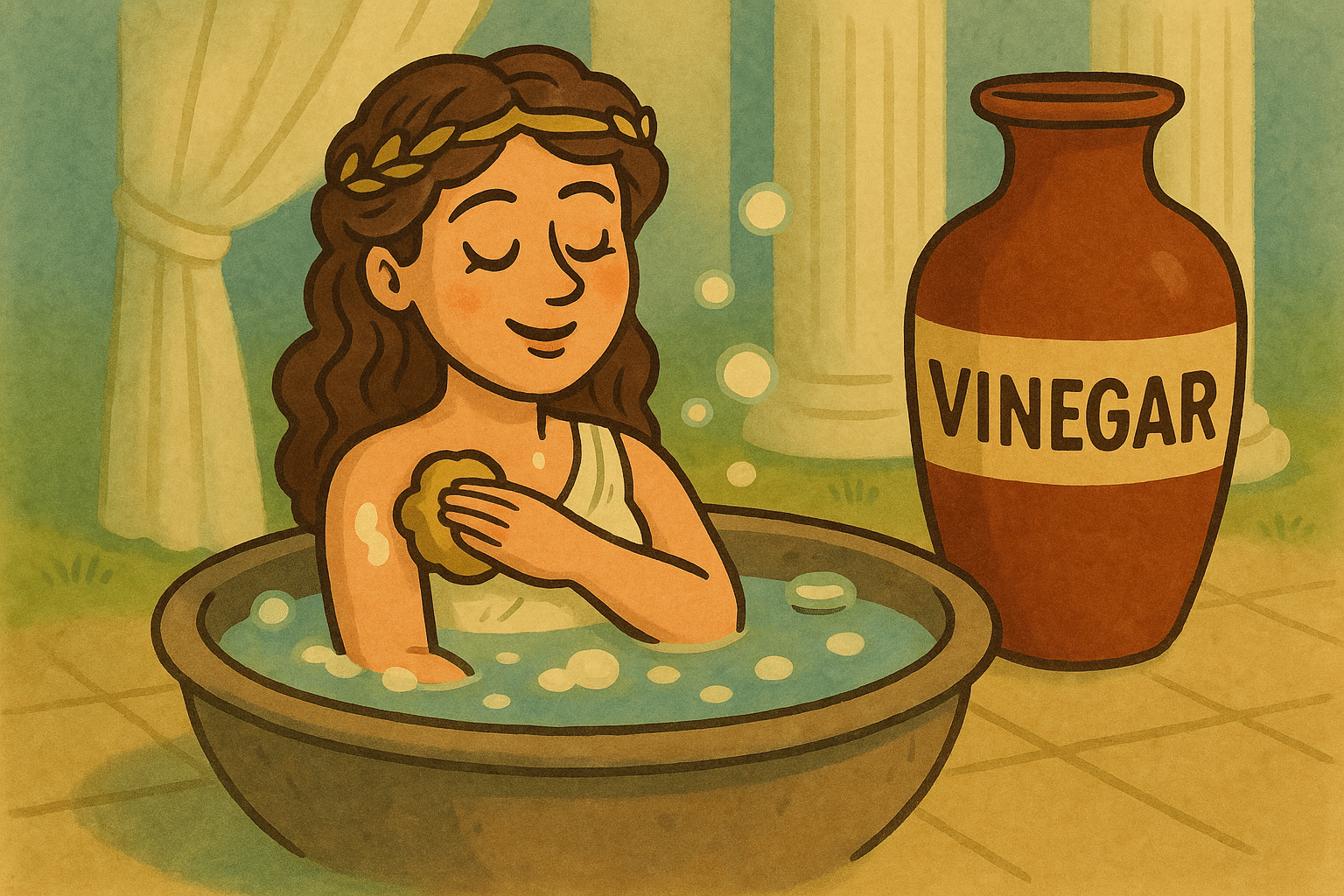
Helen of Troy, the legendary beauty whose abduction sparked the Trojan War, was said to bathe in vinegar daily to maintain her looks. The acid likely smoothed skin and acted as a mild cleanser—though one hopes she had no open cuts!
Cleopatra Drinks a Fortune
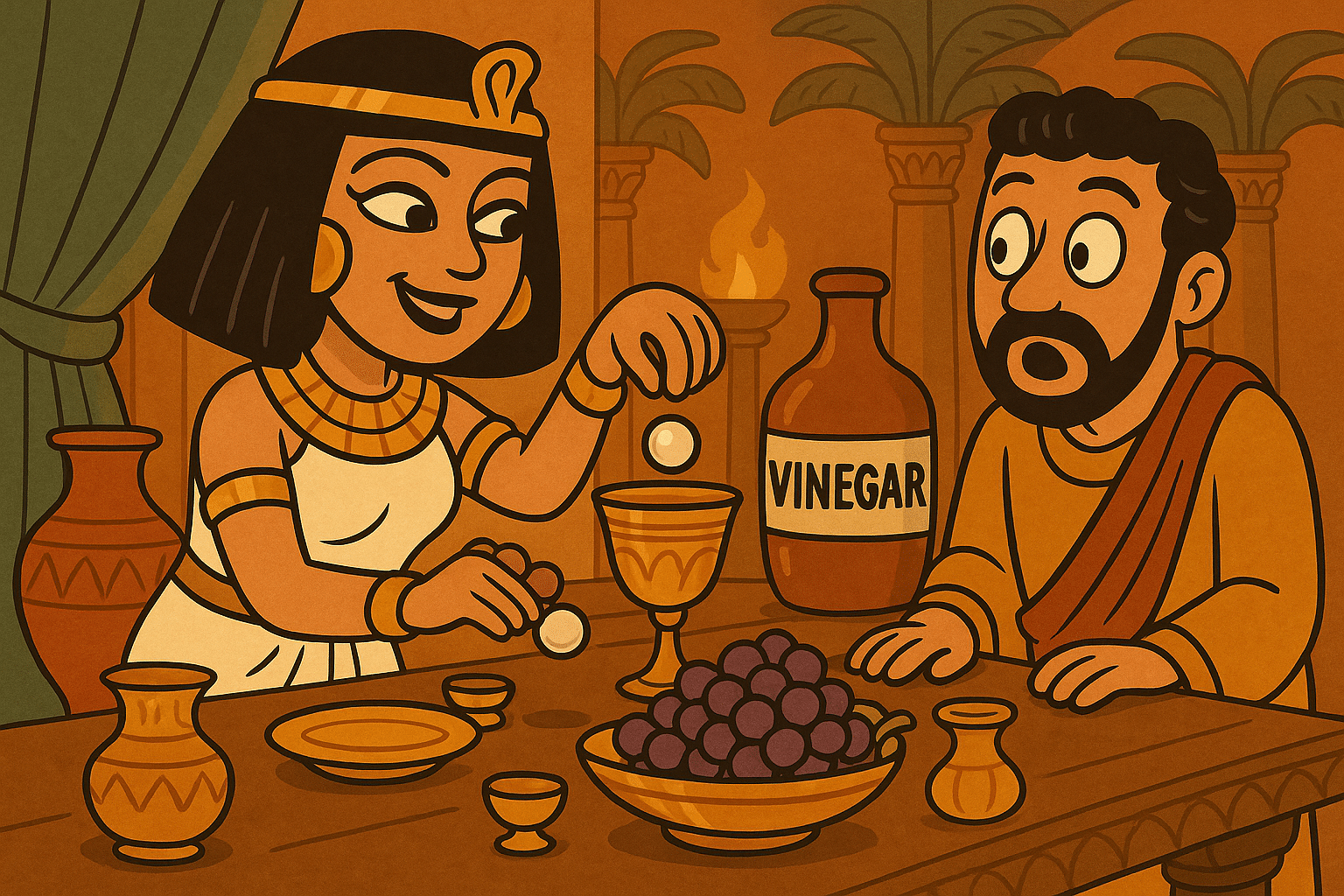
The historian Pliny says Cleopatra bet Mark Antony she could spend a fortune on one meal. At the feast she dissolved two priceless pearls in vinegar and drank them. Whether real or myth, it became one of history’s most famous acts of luxury chemistry—and even inspired imitators like Emperor Caligula.
The Prohibition Loophole
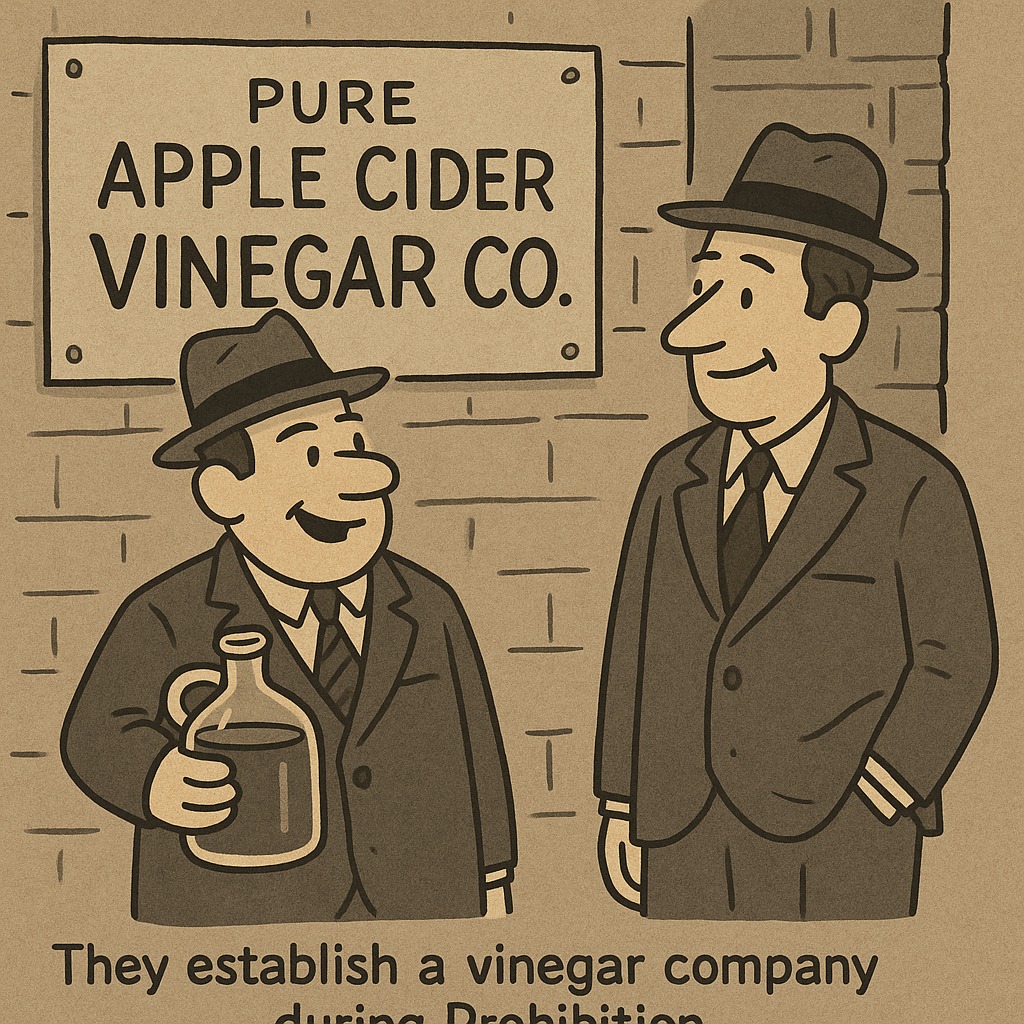
When the U.S. banned alcohol in 1919, the Volstead Act let vinegar makers legally possess alcohol “for vinegar production.” Bootleggers pounced, opening fake “vinegar companies” to hide liquor sales. Authorities shut it down by forcing suppliers to taint alcohol with ethyl acetate—fine for vinegar, awful for drinking.
Balsamic Vinegar Meets the World
Born in medieval Modena, balsamic vinegar stayed a noble’s secret condiment for centuries. When Napoleon’s army invaded in 1796, looters sold the Duke’s barrels across Europe, accidentally launching balsamic’s commercial debut. By the 1800s it was celebrated well beyond Italy’s borders.


China – Want a Wife? Bring Vinegar
In Jinzhong, Shanxi Province, vinegar was once key to marriage negotiations. A suitor needed not only good lineage and means but also a large urn of local Shanxi vinegar to offer the bride’s family—a sign of prosperity and skill in this prized craft.
Vinegar for Cannons
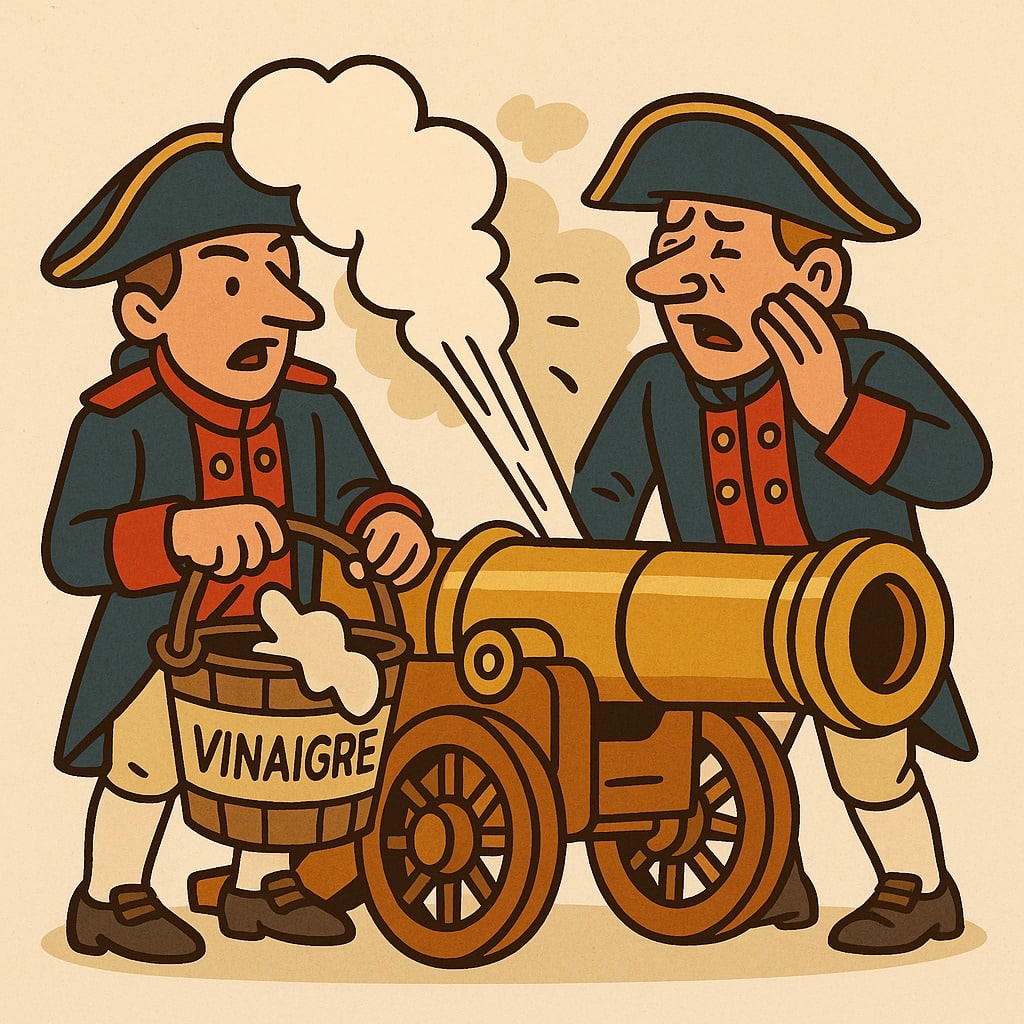
Seventeenth- and eighteenth-century French artillery crews cooled and cleaned hot cannon barrels with pints of vinegar after firing. The water cooled the metal; the acid fought rust. One duke reportedly spent the modern equivalent of $31 million on vinegar in a single campaign.
Hannibal’s Explosive Trick
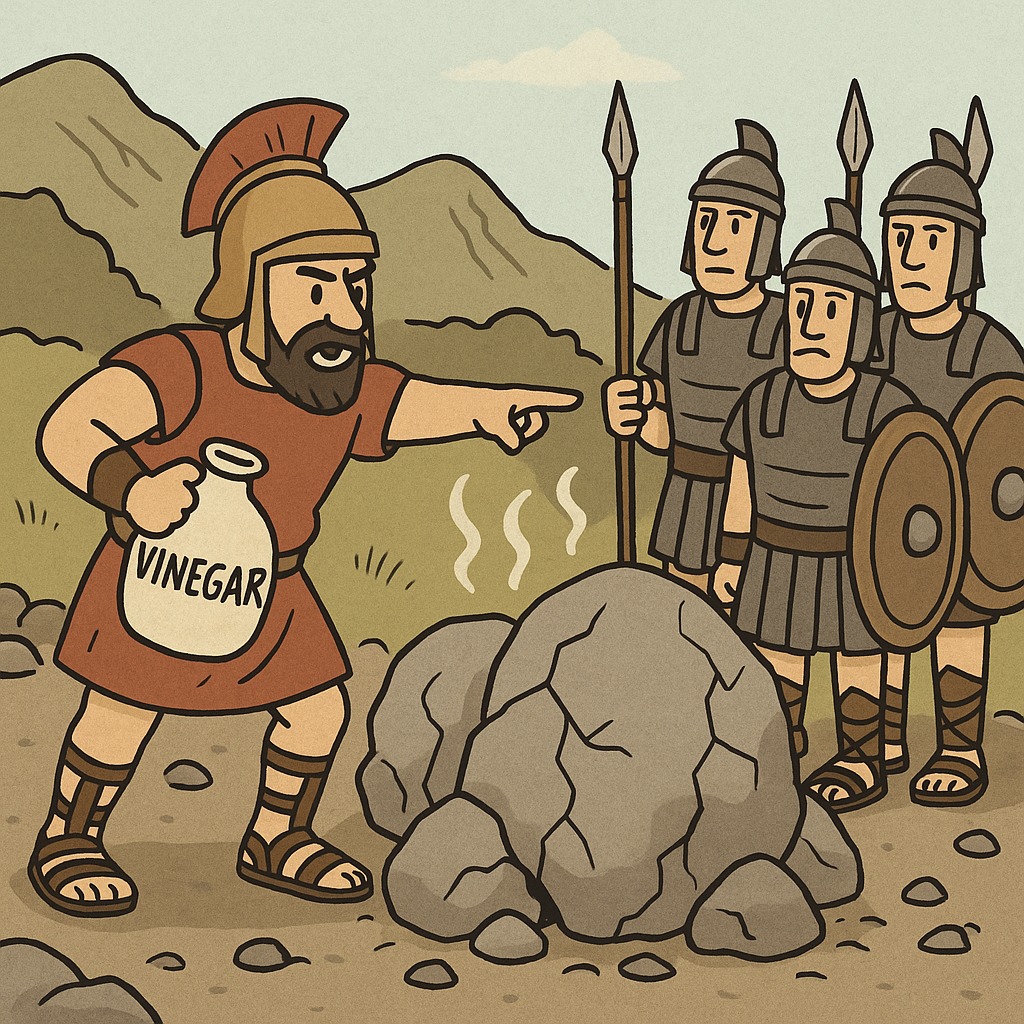
During his march through the Alps in the Second Punic War, Hannibal’s army met a solid rock barrier. According to the historian Livy, he heated the stones and poured vinegar on them, cracking the rock so his troops could pass. Chemically possible only with limestone, the tale may be more legend than fact—but it’s an unforgettable image of ancient ingenuity.
Balsamic Worth a Car
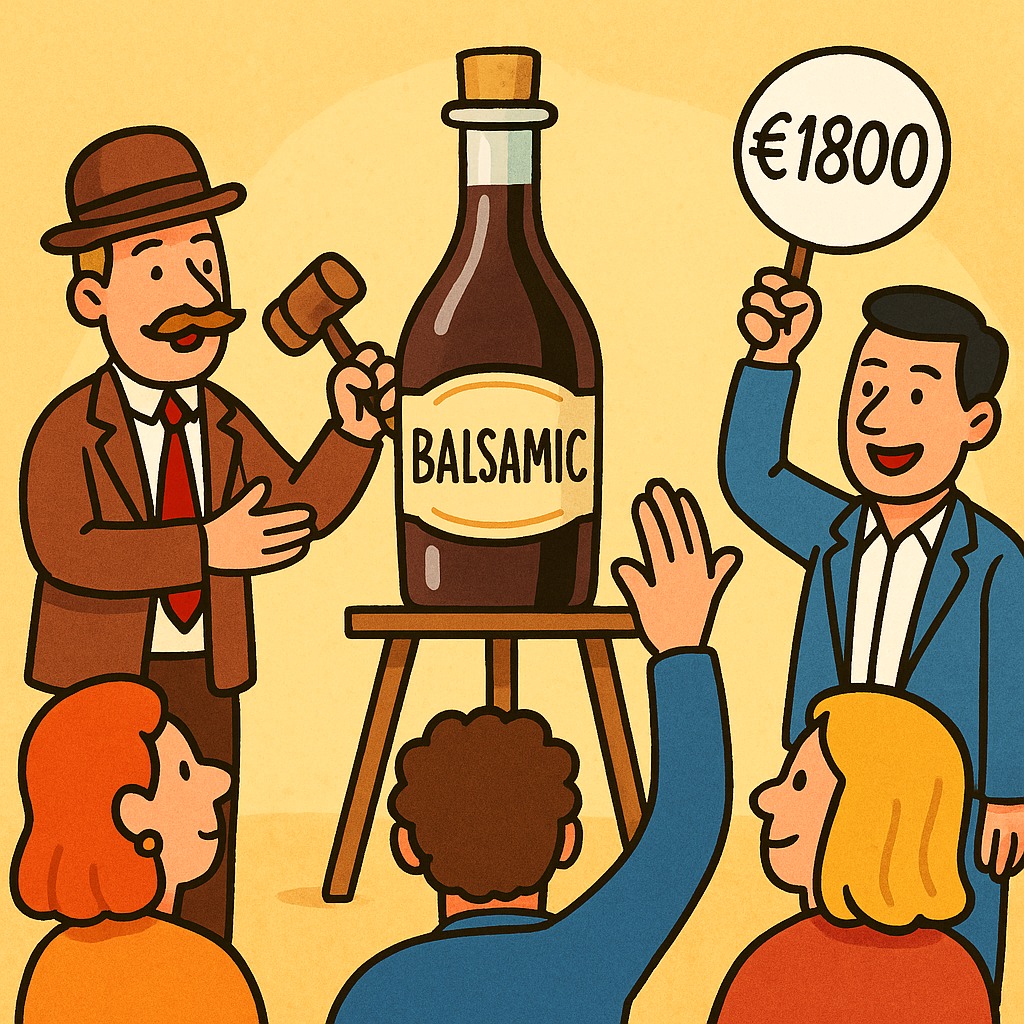
Fine traditional balsamic vinegars can rival wine prices. At a 2007 auction in Modena, a 100 mL bottle sold for €1,800 ($2,500)—about $95,000 per gallon! A full nine-barrel aging set fetched €31,000. Buyers even included top Shanghai chefs, proving balsamic’s global prestige.